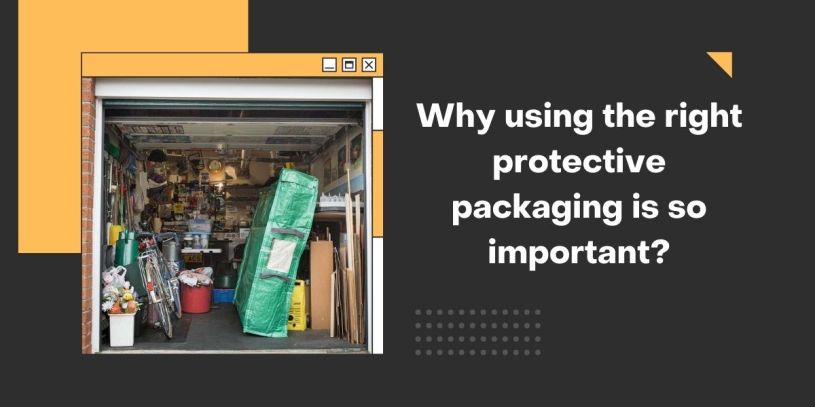
Protective packaging is very important in a world where goods of all shapes and sizes are shipped all over the world every day. It’s not enough to just put things in a box; they have to come in perfect shape, ready to make the customer happy. In this piece, we’ll talk about why using the right protective packaging is so important.
Imagine ordering something fragile online and eagerly waiting for it to arrive, only to find that it arrived broken and couldn’t be used. This can be very disappointing for the customer and hurtful to the business’s image. This is where packing comes in to help.
How to pack things to keep them safe
Protective packaging uses materials and methods to keep goods safe while they are being stored, moved, and delivered. It goes beyond how things look and focuses on making sure things are safe inside.
Making sure travel is safe
From the factory to the end customer can be a dangerous trip. Products go through different kinds of handling, such as loading, unloading, and maybe even rough treatment while in travel. The right protective packaging works like a shield, soaking up shocks and keeping damage from happening.
Keeping money losses to a minimum
When items get broken while being shipped, more than just the thing itself is lost. Businesses also lose money when products are replaced, returned, or get bad ratings. Investing in good protective packaging can cut these costs by a lot.
Improving the reputation of a brand
A brand that always sends out goods in perfect shape shows that it cares about its customers. On the other hand, bad packaging can hurt the image of a brand, which can hurt customer trust and loyalty.
Sustainable packaging materials
You don’t have to give up being environmentally friendly if you use the proper packaging to keep things secure. “Eco-friendly” packaging is made of materials that are not only excellent for the environment but also attractive to those who care about it.
Considerations for Effective Protective Packaging
Design, material selection, and product specifics are all crucial factors when creating protective packaging. It’s critical to be aware of the needs that each thing has.
Various forms of protective packing
Products for packing come in a wide variety, from bubble wrap to pulp that has been moulded. Considering factors like how fragile it is, how much it weighs, and how it will be transported will help you choose the best material.
Many packaging options for various items
The packaging alternatives available off the shelf won’t work for all products. Custom packing options guarantee that items of various sizes and shapes fit comfortably and are well-protected.
New packaging concepts that keep things secure
Things are changing in the world of packing. Innovations like air cushions with different levels of pressure and materials that can absorb shocks are changing the game and making safety even better.
Cost and Safety
Even though high-end packaging might give the best protection, it’s important to find a balance between price and safety. Many businesses struggle to find options that are both cheap and strong.
A Step towards Making Customers Happy
When customers get their orders in perfect shape, it makes their shopping experience better as a whole. This satisfaction can lead to repeat business and good word-of-mouth suggestions.
Effects on the environment
Not only does too much packing add to higher prices, but it also makes more trash. Businesses can cut down on their carbon impact by using packaging that is the right size and good for the environment.
The Role of Technology
Computer simulations and data analysis are two examples of how technological advances help designers make packaging that can withstand different circumstances. Technology makes it possible to make precise packaging.
In the end,
In the fast-paced world of e-commerce and international trade, using the right protective packaging to protect your goods is very important. It’s key to ensuring customers are happy, keeping your brand’s reputation, and running a business healthily. So, the next time you send a package, keep in mind that using the right packaging is not an option—it’s a must.
 Creative Blogs